Dynamic Replacement

Discover a comprehensive range of soil consolidation and reinforcement techniques designed to secure your infrastructure and optimize your project’s timeline.

About
Dynamic Replacement

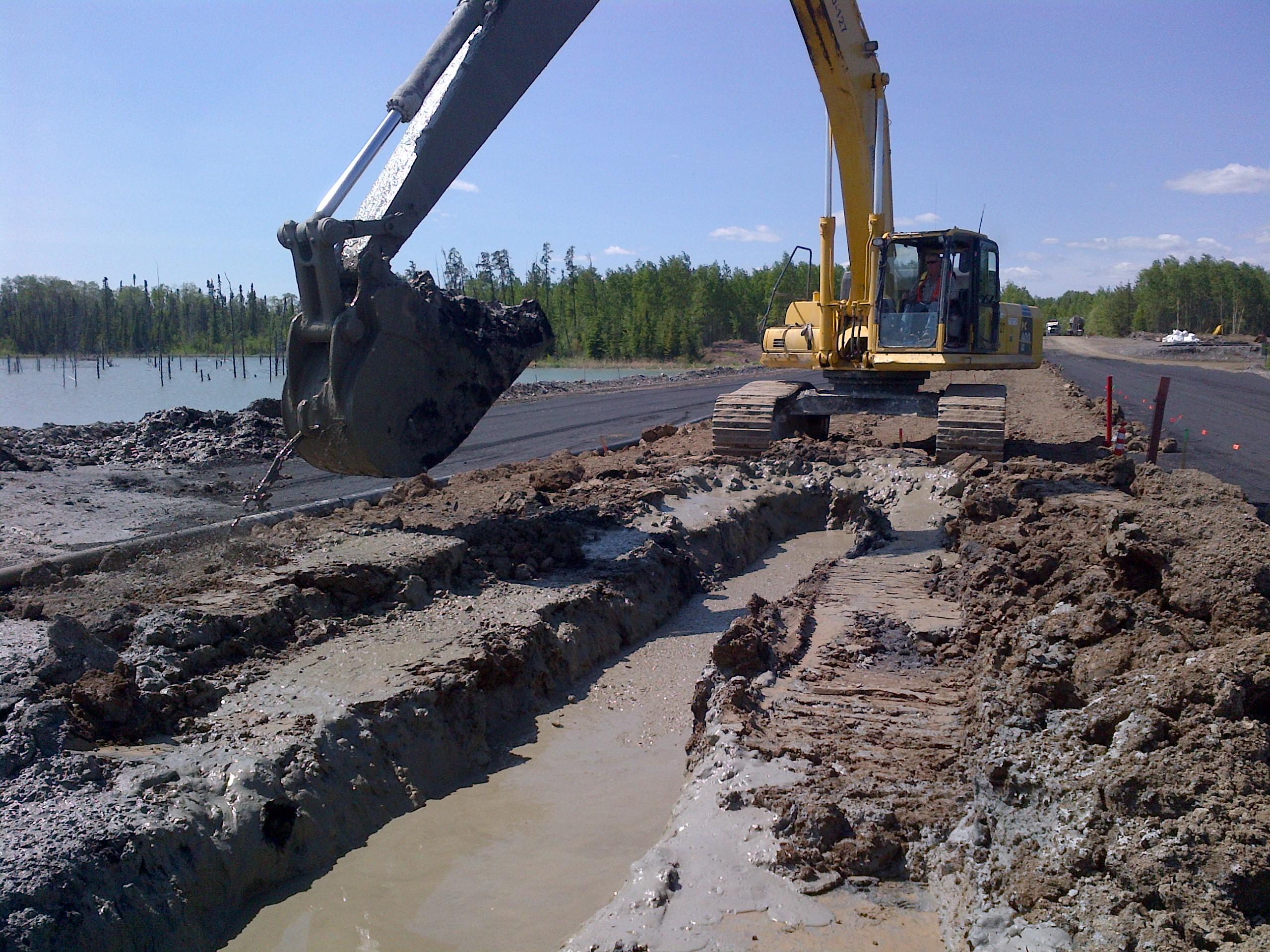
Dynamic Replacement is a ground improvement technique that strengthens weak or highly compressible soils by forming large granular columns through the repeated impact of a heavy tamper. By replacing poor-quality soils with compacted granular material, the technique increases bearing capacity, reduces settlement and creates a stable foundation platform for a wide range of buildings, industrial facilities and infrastructure projects.

With extensive expertise in impact ground improvement, Menard designs each Dynamic Replacement solution according to the site’s geotechnical conditions, structural loads and performance objectives. Every installation is carried out under rigorous quality control procedures to ensure consistent treatment quality, long-term performance and compliance with project specifications.

Transforming weak soils through impact energy

Dynamic Replacement is a ground improvement technique that strengthens weak or highly compressible soils by forming large granular columns through the repeated impact of a heavy tamper. The process improves bearing capacity, reduces settlement and creates a stable foundation platform for buildings, industrial facilities and infrastructure projects.

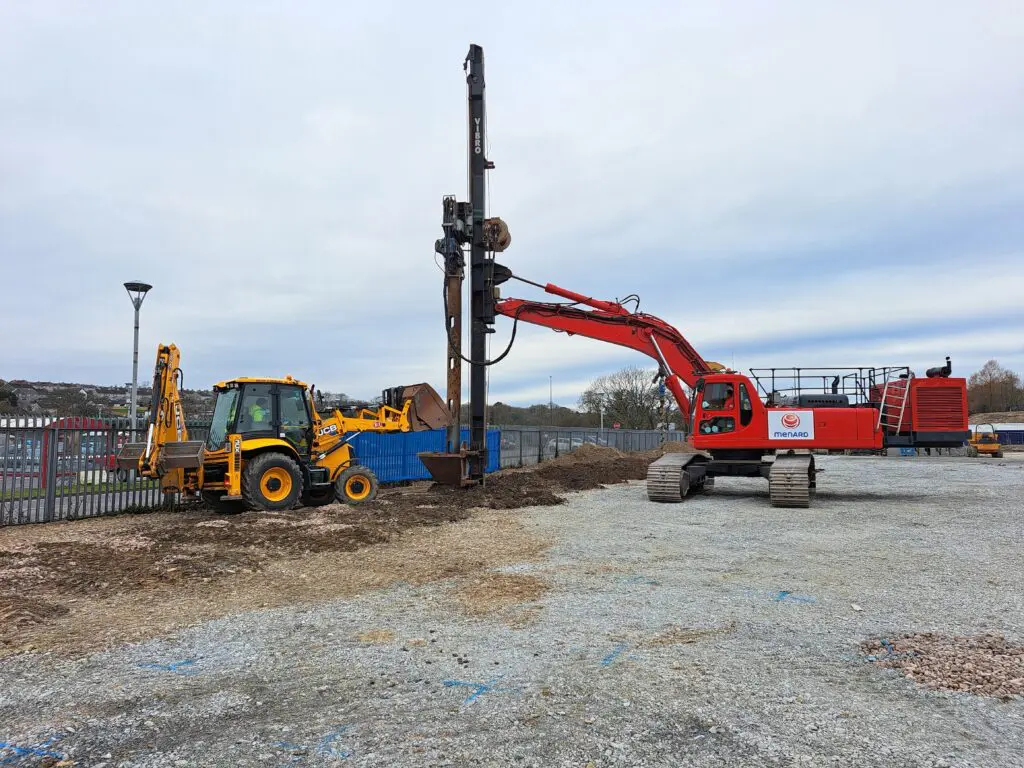
Unlike conventional installation methods that rely on drilling or vibration, Dynamic Replacement uses high-energy impacts to simultaneously displace weak soils and compact granular fill. This approach makes it particularly effective in very soft soils, uncontrolled fills and organic deposits, providing an efficient, economical and sustainable solution for challenging ground conditions.
  • Reduces the potential for liquefaction

  • Significantly Increases bearing capacity
  • Decreases long-term settlement
  • Deep foundation alternative: lower project cost
  • Loose sands

  • Fill materials
  • Silt and clays
  • Treat soils up to 6m deep

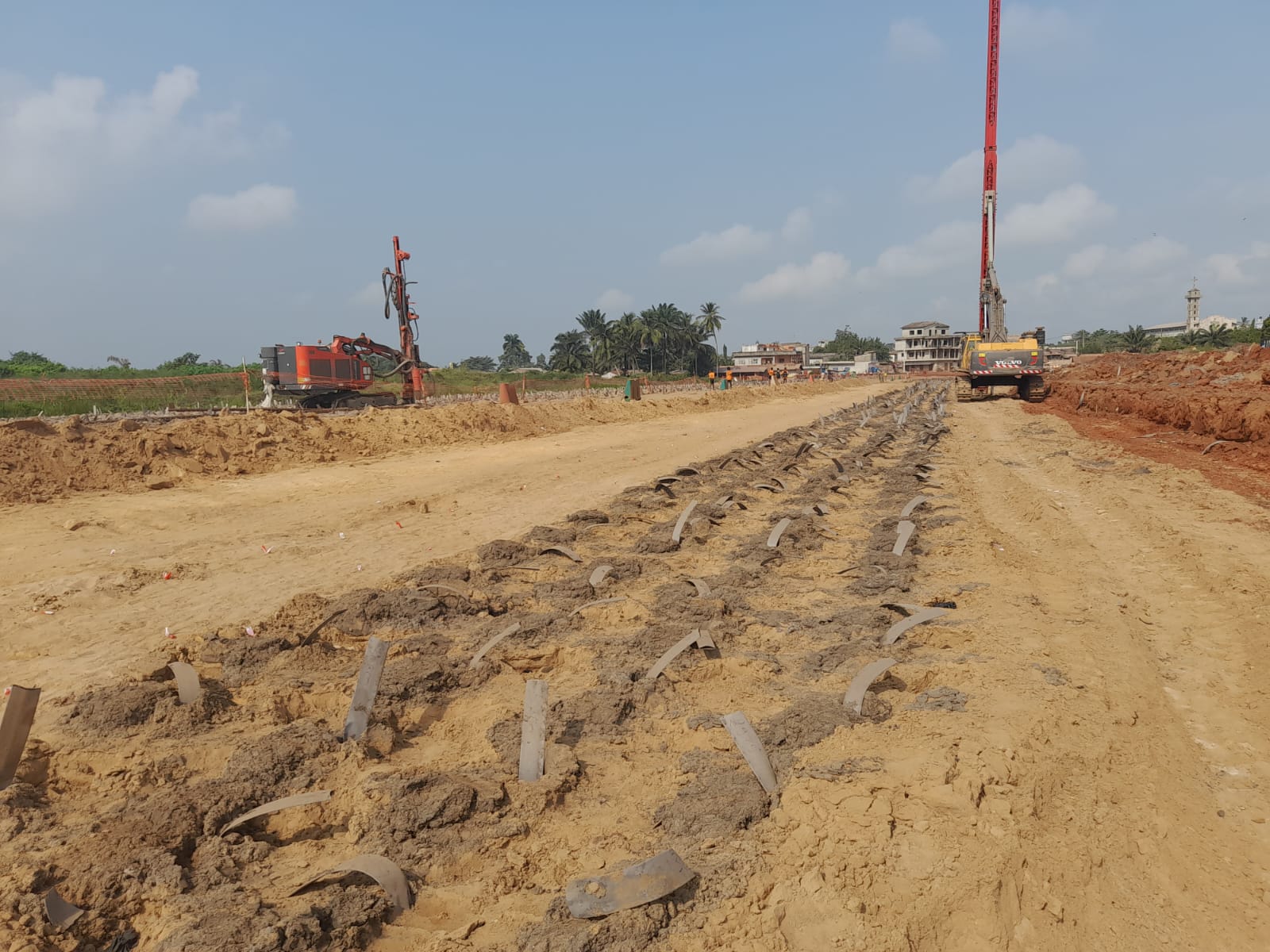
Dynamic Replacement begins by placing granular material at the treatment locations across the site. A heavy tamper is then repeatedly dropped from a significant height, driving the aggregate into the weak ground while displacing and compacting the surrounding soil. This sequence is repeated through successive phases of impact and backfilling until large granular columns are formed to the required treatment depth.

Throughout the installation process, key parameters such as impact energy, penetration depth and aggregate consumption are continuously monitored to ensure that the specified ground improvement performance is achieved. The resulting reinforced ground provides increased bearing capacity, reduced settlement and reliable long-term foundation performance.

Proven solutions across
diverse sectors

From large-scale infrastructure to residential developments, our ground improvement technologies are engineered to adapt to every project environment and soil condition.

Buildings

Process & Energy

Ports & Airports

Rail & Road

Frequently Asked Questions

Dynamic Replacement is a ground improvement technique that strengthens weak or highly compressible soils by creating large granular columns through the repeated impact of a heavy tamper. The process improves bearing capacity, reduces settlement and provides a stable foundation platform for a wide range of construction projects.

Dynamic Replacement is particularly effective where very soft soils, uncontrolled fills or organic deposits require improvement before construction. It is commonly used for buildings, industrial facilities, embankments and infrastructure projects.

Dynamic Replacement is best suited to weak or highly compressible soils such as soft clays, silts, peat and uncontrolled fills. The suitability of the technique depends on the site’s geotechnical conditions and project performance requirements.

The technique uses repeated high-energy impacts to drive granular material into the ground, forming large stone columns while compacting and displacing the surrounding soil. This creates a reinforced ground system with improved load-bearing capacity and reduced settlement.

Dynamic Replacement provides an economical and efficient solution for improving difficult ground conditions. It increases bearing capacity, reduces settlement and can treat soils that may not be suitable for other ground improvement techniques.

In many cases, yes. By significantly improving the engineering properties of weak soils, Dynamic Replacement can provide a cost-effective alternative to deep foundation systems where project conditions are suitable.

Quality control includes continuous monitoring of key installation parameters such as impact energy, penetration depth and aggregate consumption. Additional field testing may also be carried out to confirm that the required ground improvement performance has been achieved.

Unlike excavation and soil replacement, Dynamic Replacement improves the ground in place with limited excavation and reduced spoil disposal. This can lower construction costs, minimise environmental impact and accelerate project delivery while achieving the required foundation performance.

Contact us

Whether you’re planning a new project or looking for technical advice, our team is ready to assist. Contact us to learn more about our expertise and solutions.