Compaction Grouting

Discover a comprehensive range of soil consolidation and reinforcement techniques designed to secure your infrastructure and optimize your project’s timeline.

About
Compaction Grouting

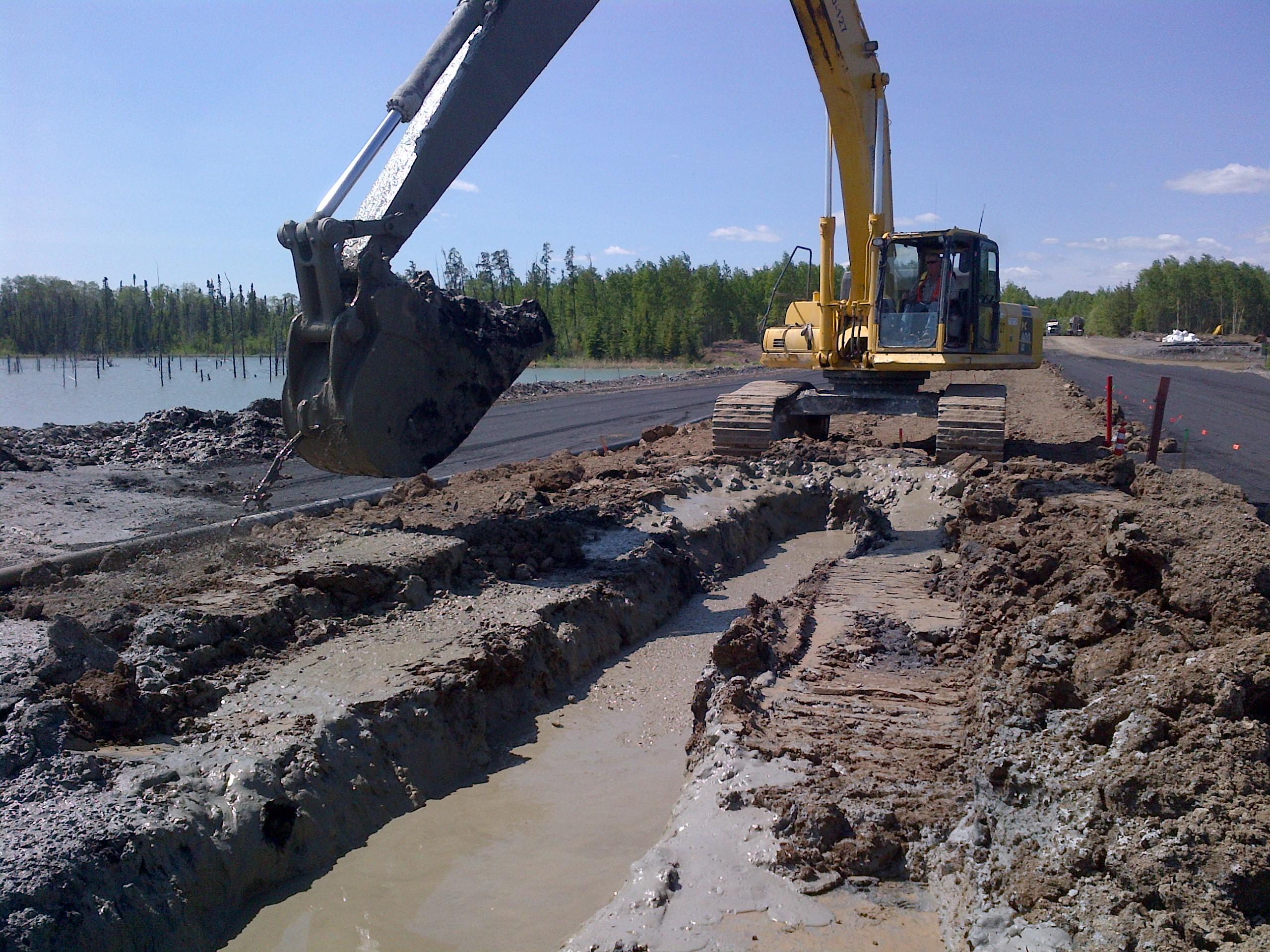
Compaction Grouting is a ground improvement technique that strengthens loose or weak soils by injecting a stiff, low-mobility grout under controlled pressure. The grout compacts and displaces the surrounding ground without permeating the soil, increasing bearing capacity, reducing settlement and, where required, re-establishing support beneath existing structures.

With extensive expertise in ground improvement and grouting technologies, Menard designs each Compaction Grouting solution according to the site’s geotechnical conditions, structural requirements and performance objectives. Every installation is carried out under rigorous quality control procedures to ensure precise grout placement, consistent ground improvement and compliance with project specifications.

Strengthening the ground through controlled grout injection

Compaction Grouting is a ground improvement technique that strengthens loose or weak soils by injecting a stiff, low-mobility grout under controlled pressure. The grout displaces and densifies the surrounding ground without permeating the soil, increasing bearing capacity, reducing settlement and restoring support beneath existing or proposed structures.

Unlike permeation or chemical grouting methods, Compaction Grouting relies on controlled ground displacement rather than grout penetration to improve soil properties. This approach makes it particularly effective for treating loose granular soils, mitigating sinkholes, filling underground voids and re-establishing foundation support, providing an efficient, economical and minimally disruptive solution for a wide range of geotechnical challenges.
  • Zero vibrations or spoils

  • Rapidly increases bearing capacity
  • Minimizes soil liquefaction
  • Ideal for tight access sites
  • Deep foundation alternative: lower project cost
  • Fill soils

  • Liquifiable soils
  • Loose granular soils
  • Treat soils up to 20m deep

  • Treat voids/sinkholes

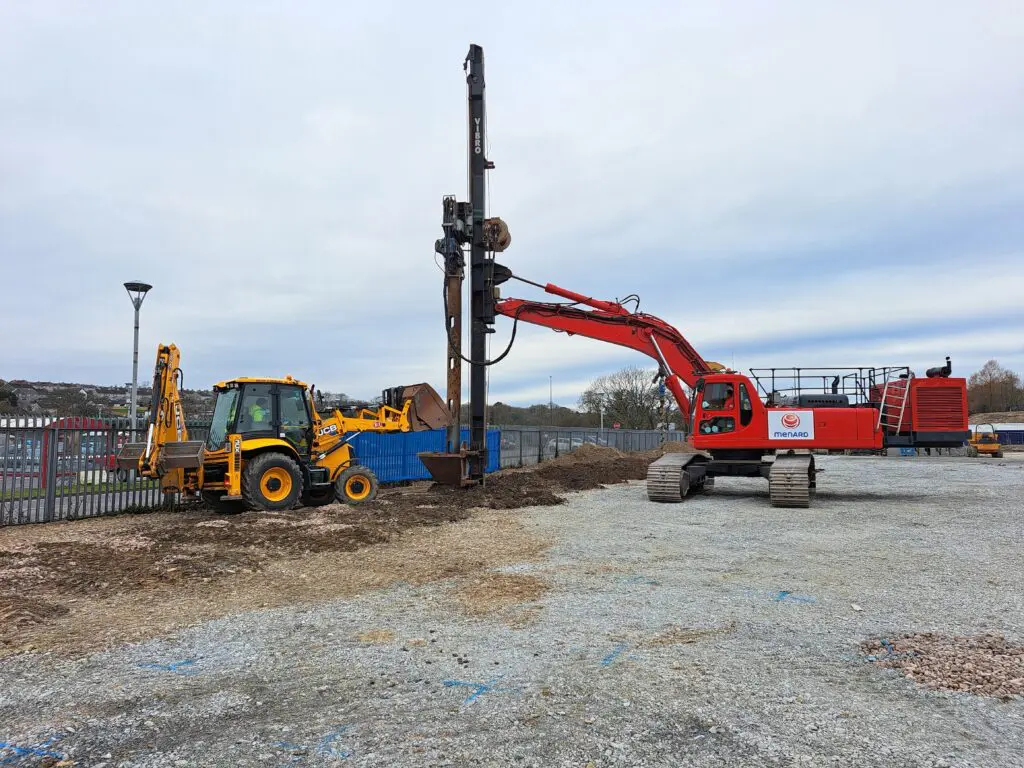
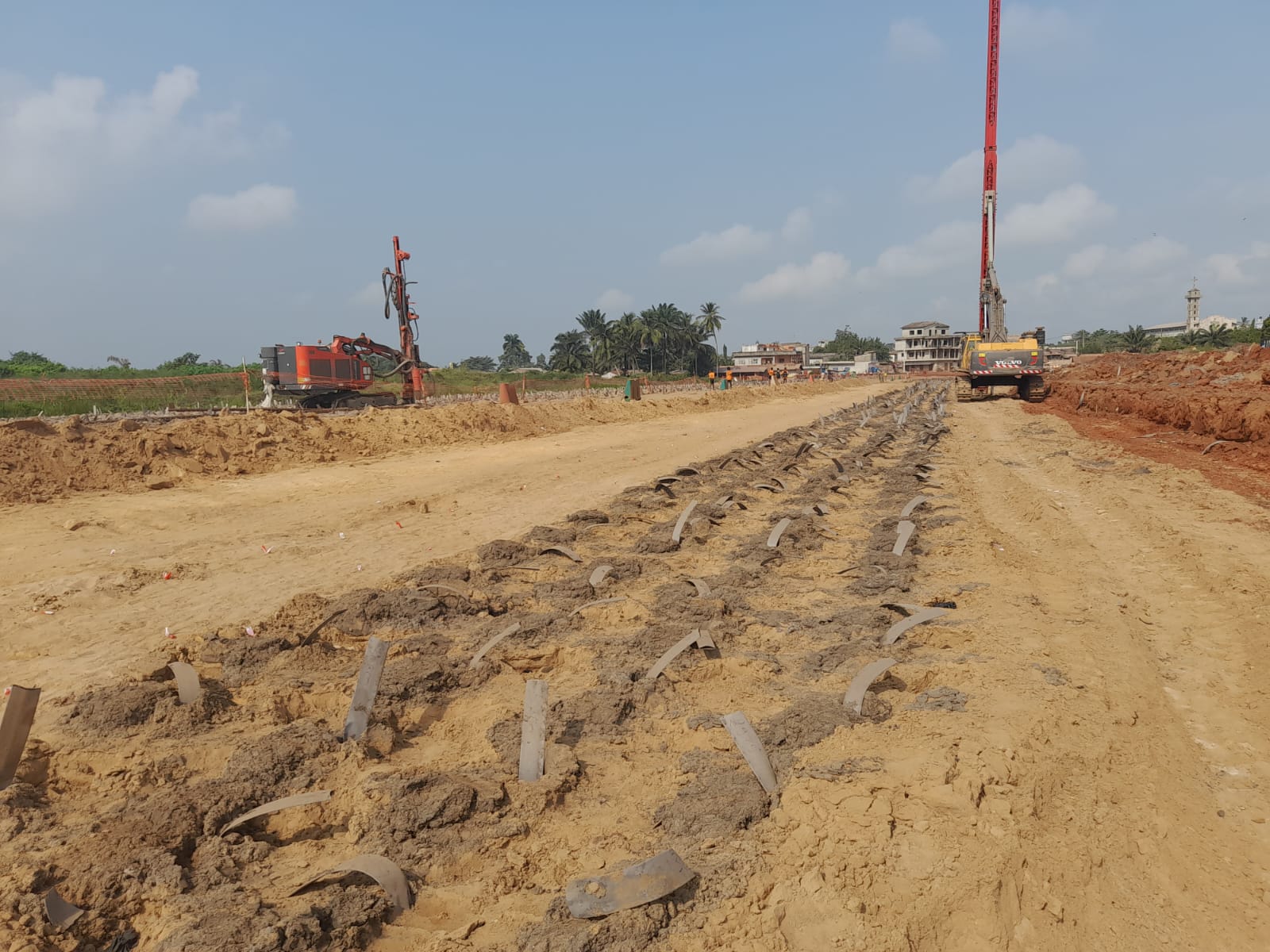
Compaction Grouting begins by advancing an injection pipe to the required treatment depth. A stiff, low-mobility grout is then injected under carefully controlled pressure and flow rate. Rather than permeating the soil, the grout displaces and compacts the surrounding ground, creating localised zones of densification.

The injection pipe is gradually withdrawn in controlled stages while successive grout bulbs are formed, creating overlapping zones of improvement throughout the treatment depth. Throughout the installation process, key parameters such as grout volume, injection pressure, flow rate and ground response are continuously monitored to ensure that the required ground improvement performance is achieved.

Proven solutions across
diverse sectors

From large-scale infrastructure to residential developments, our ground improvement technologies are engineered to adapt to every project environment and soil condition.

Buildings

Process & Energy

Ports & Airports

Rail & Road

Frequently Asked Questions

Compaction Grouting is a ground improvement technique that strengthens loose or weak soils by injecting a stiff, low-mobility grout under controlled pressure. The grout displaces and compacts the surrounding soil without permeating it, improving bearing capacity and reducing settlement.

Compaction Grouting is commonly used to improve loose soils, stabilise existing foundations, fill underground voids and mitigate sinkholes. It is suitable for both new construction projects and the rehabilitation of existing structures.

Compaction Grouting is most effective in loose granular soils, uncontrolled fills and certain weak cohesive soils that can be densified through controlled grout displacement. A geotechnical investigation is used to determine whether the technique is appropriate for a specific site.

The technique injects a stiff grout under controlled pressure, displacing and compacting the surrounding soil. As overlapping grout bulbs are formed, the ground becomes denser and more stable, resulting in increased bearing capacity and reduced settlement.

Yes. One of the key advantages of Compaction Grouting is that it can be performed beneath existing buildings and infrastructure with minimal disruption. It is frequently used to restore foundation support and reduce the risk of further settlement.

Compaction Grouting provides targeted ground improvement with limited excavation and minimal disturbance to surrounding structures. It can improve bearing capacity, reduce settlement, fill underground voids and extend the service life of existing foundations.

Quality control includes continuous monitoring of injection pressure, grout volume, flow rate and ground response throughout the installation process. Additional field measurements or verification testing may be carried out to confirm that the required ground improvement objectives have been achieved.

Unlike permeation grouting, which fills the voids within permeable soils, Compaction Grouting improves the ground by displacing and densifying the surrounding soil. This makes it particularly effective where increased soil density, improved foundation support or void filling is required.

Contact us

Whether you’re planning a new project or looking for technical advice, our team is ready to assist. Contact us to learn more about our expertise and solutions.