Controlled Modulus Columns

Discover a comprehensive range of soil consolidation and reinforcement techniques designed to secure your infrastructure and optimize your project’s timeline.

About Controlled
Modulus Columns (CMC)

One of the most widely used ground improvement techniques due to its broad range of applications, Controlled Modulus Columns (CMC) were developed by Menard in the 1990s to provide an effective solution for highly compressible terrains and organic soils. Today, they are implemented on more than 300 projects per year in France and extensively across the globe, in all soil types and at depths exceeding 30 meters.

The CMC rigid inclusion ground reinforcement technique is subject to periodic accreditation, renewed every two to three years in accordance with strict technical specifications and quality standards.

A rapid and cost-efficient approach to Ground Improvement

Controlled Modulus Columns (CMC)® are concrete columns placed in a grid network that effectively spreads the applied high loads from the structure above and between the ground and the grid of CMCs. CMCs are often mistaken for other deep foundation solutions, such as conventional auger-cast-piles or drilled caissons.

Those piling systems are designed as structural elements, unlike CMC’s unique installation that results in stiffened soils capable of supporting shallow footings and slab-on-grade.
  • Zero-spoils: No excess soils to remove
  • Minimizes differential settlement
  • Vibration-free displacement process
  • Soft soils
  • Organic Clays
  • Loose sands
  • Treat soils up to 50m deep
  • 280-500mm diameter elements installed

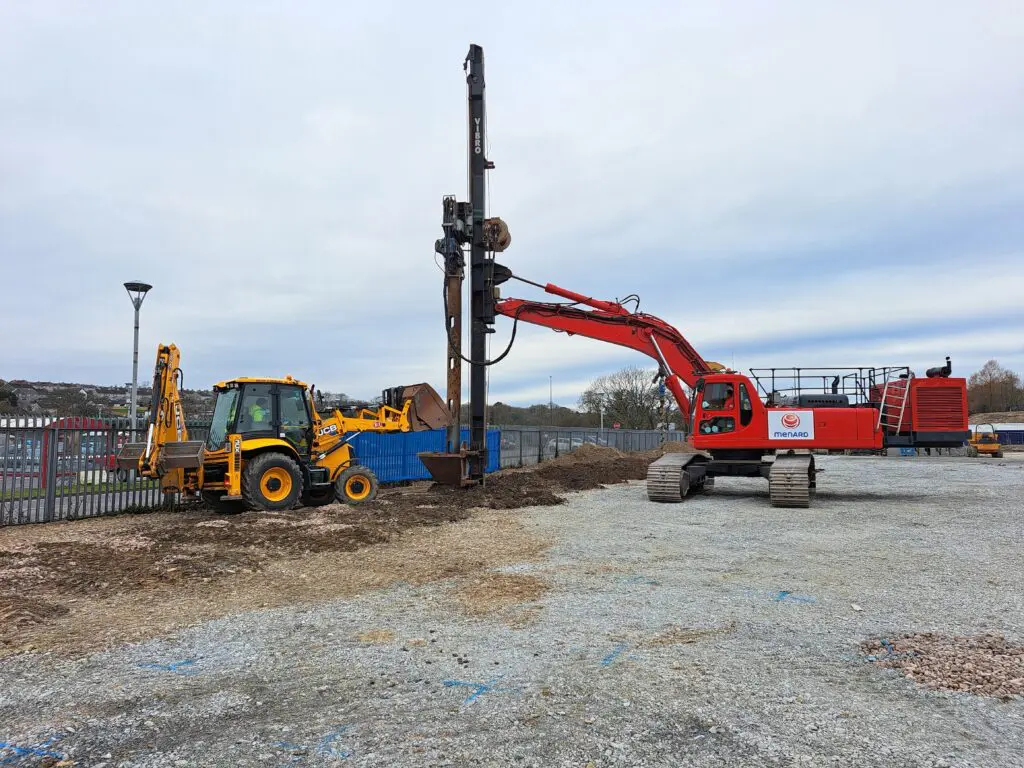
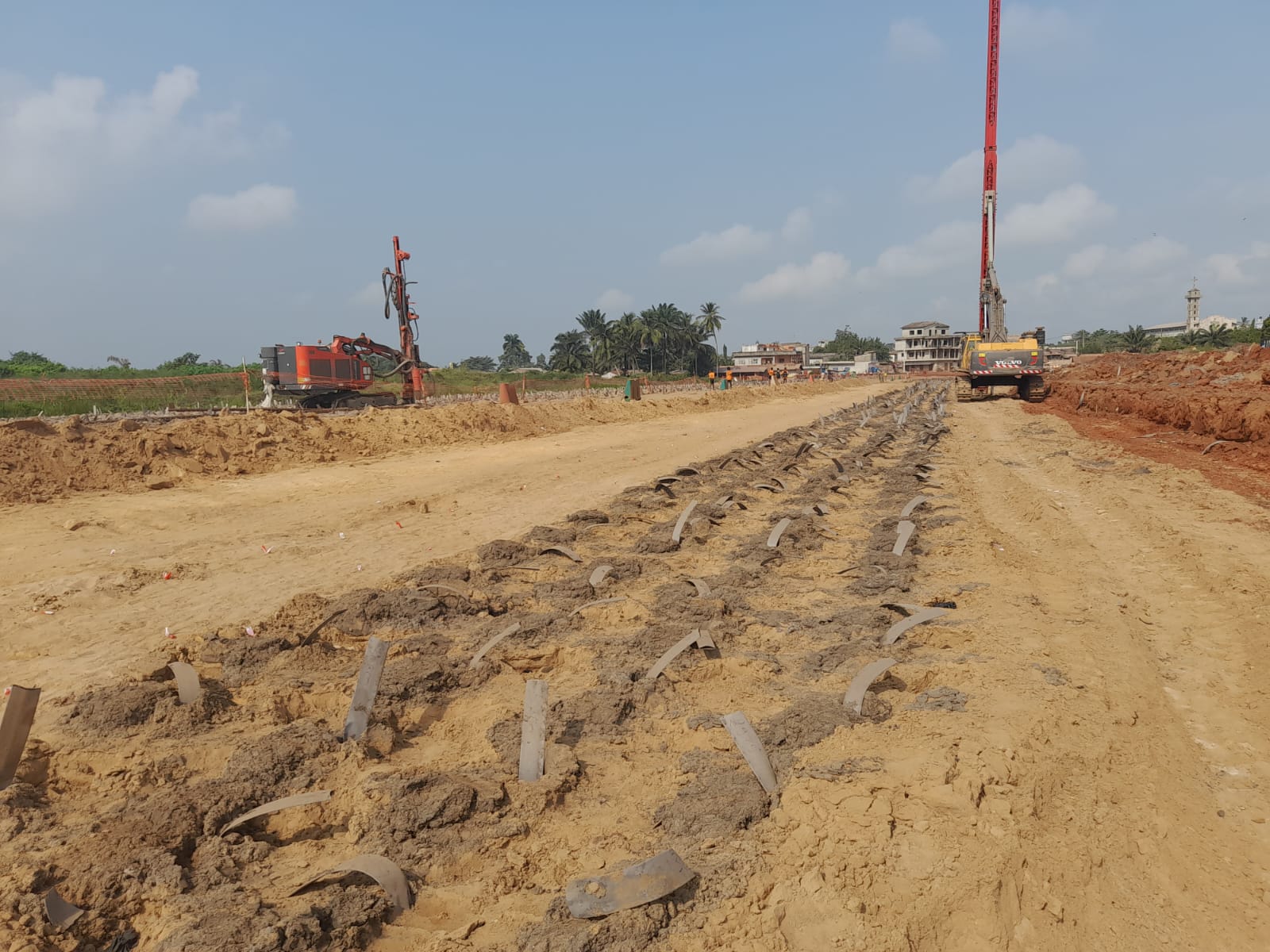
CMCs are installed by advancing the displacement tooling to the target depth and filling with cement-based grout as the tooling is retracted – grout is discharged at the base of the hollow tooling under controlled, and limited pressure to ensure the continuity of the grouting process. CMCs have been installed to depths
of over 45 m. 

Proven solutions across
diverse sectors

From large-scale infrastructure to residential developments, our ground improvement technologies are engineered to adapt to every project environment and soil condition.

Buildings

Process & Energy

Ports & Airports

Rail & Road

Frequently Asked Questions

Controlled Modulus Columns (CMCs), also known as rigid inclusions, are a ground improvement solution used to increase the bearing capacity of weak soils and control settlement. Installed using a displacement auger and filled with grout, CMCs transfer structural loads to competent soil layers while working together with a load transfer platform. They provide an efficient alternative to traditional deep foundations for many construction projects.

Controlled Modulus Columns are often preferred over piles when the objective is to improve weak ground rather than transfer all structural loads directly to a deep bearing layer. They are particularly suitable for lightly to moderately loaded structures such as warehouses, industrial buildings, residential developments, embankments and tanks. The choice between CMCs and piles depends on the site’s geotechnical conditions, structural requirements and project objectives.

Controlled Modulus Columns can be installed in a wide range of soil conditions, including soft clays, silts, loose sands, fills and other compressible soils. Their suitability is determined through a geotechnical investigation, allowing engineers to design a solution adapted to the site’s specific ground conditions and performance requirements.

Controlled Modulus Columns reduce both total and differential settlement by improving the stiffness of the ground. Structural loads are shared between the rigid inclusions and the surrounding soil through a load transfer platform, resulting in more uniform settlement and improved foundation performance.

Yes. Groundwater is generally not an obstacle to the installation of Controlled Modulus Columns. Our design and construction methods are adapted to groundwater conditions, including situations where water flow through the soil is significant, ensuring the required performance and quality of the ground improvement solution.

Quality is monitored throughout the installation process using real-time construction data such as depth, grout volume, injection pressure and installation parameters. Depending on project requirements, additional verification methods and testing may also be carried out to confirm compliance with the design specifications.

When earthworks are carried out according to the project specifications and industry best practices, the risk of damaging rigid inclusions is very low. At Menard, cut-off levels are systematically controlled throughout construction to ensure the integrity of the Controlled Modulus Columns before foundation works begin.

Contact us

Whether you’re planning a new project or looking for technical advice, our team is ready to assist. Contact us to learn more about our expertise and solutions.